


FREE MINI WORKSHOP: MAKE UP FOR SELF TAPES
What To Do (and What Not To Do)
When acting for the camera, honesty matters. Film and television cameras see everything—texture, makeup, lighting mistakes, and even when someone hasn’t followed simple instructions. The goal is not to look glamorous or overly styled. The goal is to look real, clear, and believable so the casting team can focus on your performance.
Whether you're filming a self-tape or appearing on set, here are some honest do’s and don’ts that actors should keep in mind.
Makeup: Keep It Real
Do: Keep It Natural
Use minimal makeup. A light base to even out skin tone and a bit of powder to reduce shine is usually enough. The camera reads subtlety very well. Light lipstick or vaseline to keep lips moist not dry.
Don’t: Use Contouring
Heavy contouring may work on social media or beauty videos, but it often looks fake on camera. Harsh lines and sculpted shadows distract from your face and performance.
Don’t: Wear Fake Eyelashes
Fake lashes can cast shadows and look unnatural on film. Casting directors want to see your eyes and your expressions, not dramatic lashes.
Do: Look Clean and Prepared
You shouldn’t look like you just rolled out of bed. Brush your hair, tidy your brows, and present yourself neatly. Simple grooming goes a long way. Smell nice but not over powering but smell nice. Some people are not aware of their own smell and casting agents rooms are generally quite small.
Don’t: Overdo Foundation
Heavy foundation can look thick and textured under high-definition cameras. Let your real skin show through.
Self-Tape Basics: The Technical Stuff Matters
Always Film Landscape
Self-tapes should always be filmed landscape, not vertical. Vertical video is common for social media, but casting teams review tapes on widescreens. A horizontal frame keeps your performance clear and professional.
Pay Attention to the Brief
Casting teams often include very specific instructions. These might include framing, background color, lighting, wardrobe, or how to slate your name. If the brief asks for something specific, follow it exactly.
Ignoring the brief can make it look like you didn’t read the instructions or that you’re difficult to work with.
Follow the Identification Instructions
Most auditions ask actors to clearly identify themselves at the start of the tape—usually name, sometimes height, location, or agency. This ID helps casting organize submissions and know who they’re watching.
Make sure your ID is clear, simple, and matches what they asked for.
What Casting Directors Actually Want
Casting directors aren’t looking for perfect makeup or elaborate setups. They want to see:
Your face clearly
Your natural expressions
Your ability to follow instructions
A professional, prepared presentation
If your makeup is distracting, your video is vertical, or the instructions weren’t followed, it takes attention away from the performance.
The Golden Rule
Keep it simple. Keep it honest. Follow the brief.
When your tape is clean, natural, and easy to watch, the casting team can focus on the only thing that really matters—your acting.
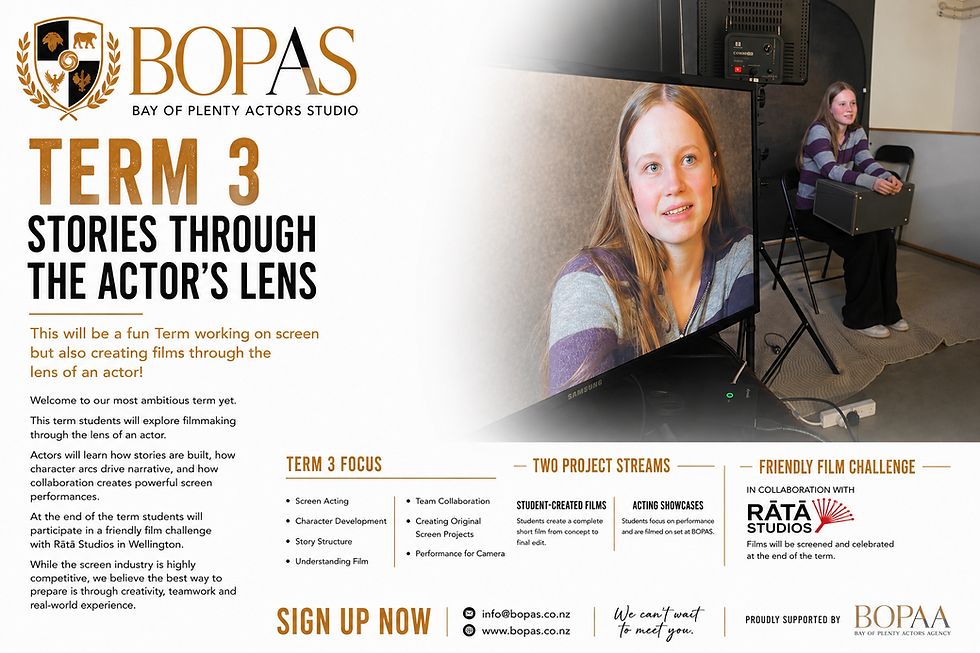
Below is Catie Anderson from TMH - showcasing nice basic make up for self tapes!



Comments